



Most people need a mortgage to buy a home, but with so many different options available, knowing where to start can feel confusing. Understanding how mortgages work can help you choose the right option for your budget, lifestyle and long-term plans.
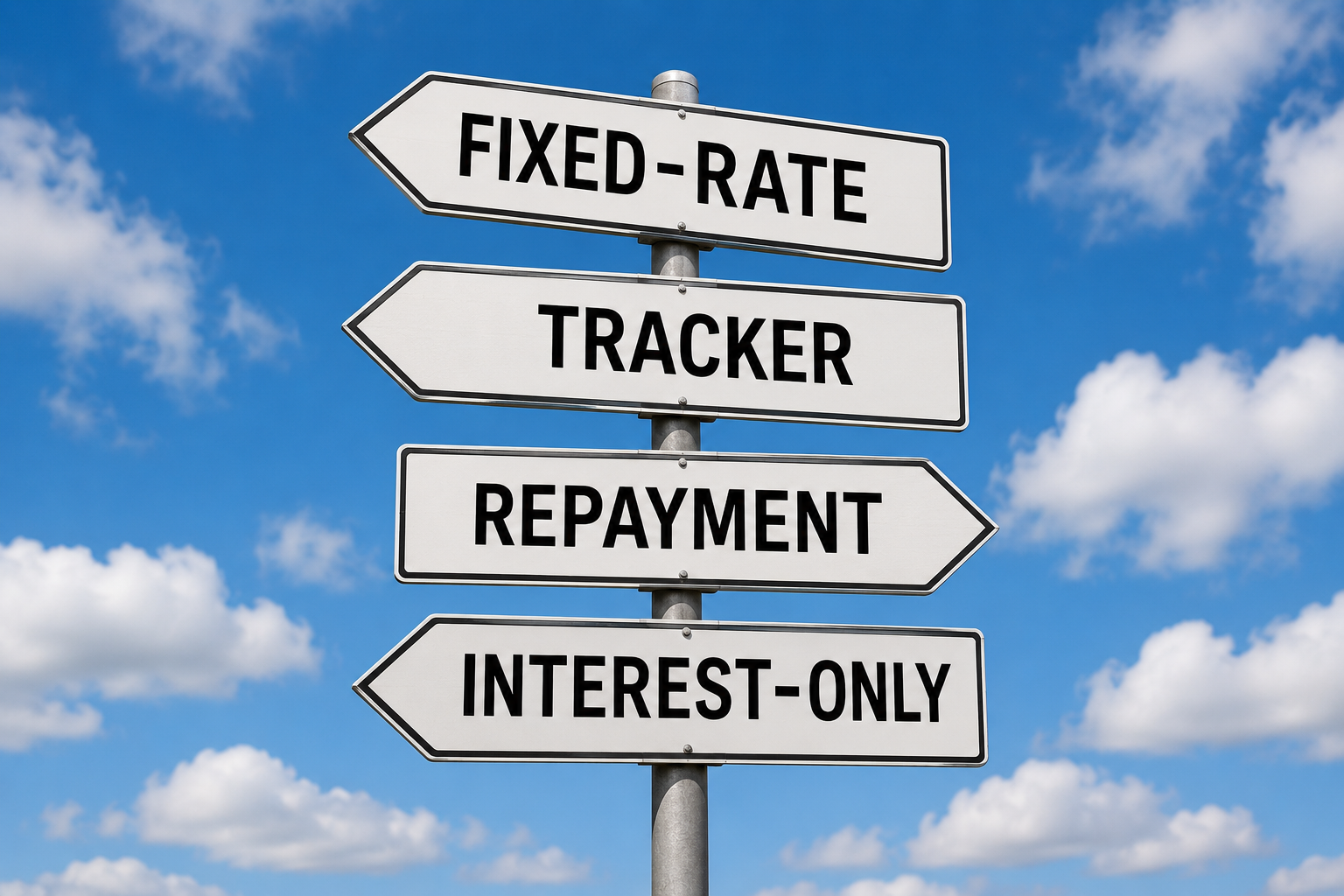
This guide explains the main mortgage types in simple terms, including fixed-rate, tracker, repayment and interest-only mortgages, along with other options available to buyers in the UK.
What Is a Mortgage?
A mortgage is a loan used to buy a property. You borrow money from a lender and repay it over an agreed period, usually between 20 and 35 years.
Your monthly mortgage payments are made up of:
- The amount you borrowed (capital)
- Interest charged by the lender
The type of mortgage you choose affects how much you pay each month and how your payments may change over time.
Repayment Mortgages
A repayment mortgage is the most common type of mortgage in the UK.
With this option, your monthly payments cover both:
- The loan itself
- The interest charged
Over time, the balance reduces until the mortgage is fully repaid at the end of the term.
Benefits of Repayment Mortgages
- You gradually own more of your home each year
- The mortgage is fully paid off at the end of the term
- Easier to manage long term
Things to Consider
- Monthly payments are usually higher than interest-only mortgages
- Missing payments could put your home at risk

Interest-Only Mortgages
With an interest-only mortgage, your monthly payments only cover the interest on the loan. The original amount borrowed remains unpaid until the end of the mortgage term.
At that point, you must repay the full balance in one lump sum.
Example
If you borrow £150,000 over 25 years at 4% interest:
- Monthly payments would be around £500
- After 25 years, you would still owe £150,000
Ways to Repay the Loan
Lenders usually expect you to have a repayment strategy, such as:
- Savings accounts
- ISAs
- Investments
- Selling another property
Risks of Interest-Only Mortgages
- The debt does not reduce over time
- Investment plans may not perform as expected
- You may need to sell your home to repay the loan
Fixed-Rate Mortgages
A fixed-rate mortgage keeps your interest rate the same for a set period, usually between two and five years.
Your monthly payments stay the same during this period, even if interest rates rise elsewhere.
Advantages
- Predictable monthly payments
- Easier budgeting
- Protection from rising interest rates
Disadvantages
- You won’t benefit if rates fall
- Early repayment charges may apply if you leave the deal early
Fixed-rate mortgages are popular with first-time buyers because they offer stability and peace of mind.

Tracker Mortgages
A tracker mortgage follows the Bank of England base rate.
If the base rate changes, your mortgage rate changes too.
Example
If your lender offers:
- Base rate +1%
And the Bank of England base rate is:
- 4%
Your mortgage rate would be:
- 5%
If the base rate rises or falls, your payments will also change.
Benefits
- You may benefit when interest rates fall
- Often lower starting rates than fixed mortgages
Risks
- Monthly payments can increase unexpectedly
- Budgeting can be harder
Standard Variable Rate (SVR) Mortgages
A Standard Variable Rate mortgage is the lender’s default interest rate, usually applied after a fixed or introductory deal ends.
The lender decides the rate, which means it can increase or decrease at any time.
Key Features
- No fixed monthly payment
- Rates often higher than other mortgage deals
- Usually no early repayment charges
SVR mortgages can offer flexibility, but they may become expensive if interest rates rise.
Fixed-Rate vs Variable Mortgages
| Feature | Fixed-Rate Mortgage | Variable/SVR Mortgage |
|---|---|---|
| Interest rate | Fixed for a set period | Can change anytime |
| Monthly payments | Stay the same | May rise or fall |
| Budgeting | Easier | Less predictable |
| Early repayment fees | Usually apply | Often none |
Offset Mortgages
An offset mortgage links your savings account to your mortgage balance.
Instead of earning interest on your savings, the money reduces the amount of mortgage interest you pay.
Example
- Mortgage balance: £150,000
- Savings: £25,000
You only pay mortgage interest on:
- £125,000
Benefits
- Lower interest payments
- Potentially shorter mortgage term
- Savings remain accessible
Drawbacks
- Mortgage rates can sometimes be higher
- Savings won’t earn interest separately
Buy-to-Let Mortgages
Buy-to-let mortgages are designed for people buying property to rent out rather than live in.
These mortgages are often interest-only and usually require larger deposits.
Typical Requirements
- Deposit of 20% to 40%
- Strong rental income potential
- Good credit history
Lenders view buy-to-let properties as higher risk, so rates and fees may be higher than residential mortgages.
Family Support and the “Bank of Family”
Many buyers now rely on financial help from parents or relatives to buy their first home.
This support is often called the “Bank of Family”.
Family help may include:
- Gifted deposits
- Loans
- Acting as a guarantor
- Joint mortgages
- Releasing equity from another property
This can help buyers access better mortgage rates and larger deposits.
Later-Life Mortgages
Older homeowners may consider specialist mortgage products later in life.
Lifetime Mortgages
A lifetime mortgage allows homeowners aged 55 or over to release money from their property without moving.
The loan is usually repaid when:
- The property is sold
- The homeowner moves into care
- The homeowner passes away
Things to Consider
- Interest builds up over time
- The amount left to family may reduce
- No monthly repayments are normally required
Retirement Interest-Only (RIO) Mortgages
RIO mortgages are designed for older borrowers who can afford monthly interest payments.
With this mortgage:
- You pay the interest each month
- The loan balance remains unchanged
- The loan is repaid when the home is sold
These mortgages can offer lower rates than some equity release products.
How Interest Rates Affect Mortgages
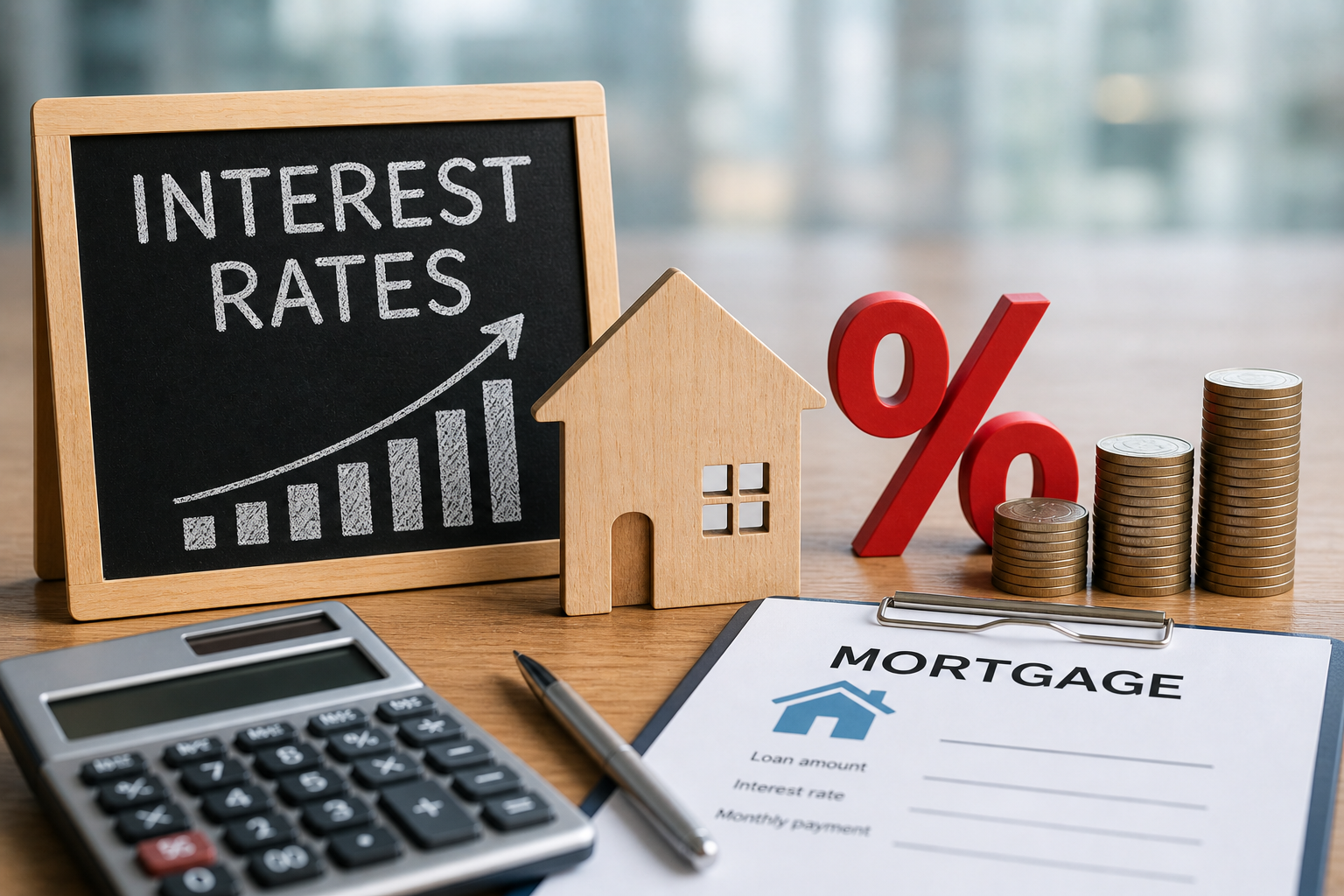
Interest rates have a major impact on mortgage affordability.
Example
A £200,000 mortgage over 25 years could cost:
- Around £948 per month at 3%
- Around £1,289 per month at 6%
Even small rate changes can significantly affect monthly payments.
Credit Scores and Mortgages
Your credit score helps lenders decide whether to approve your application and what interest rate to offer.
Ways to Improve Your Credit Score
- Pay bills on time
- Stay within credit limits
- Register on the electoral roll
- Check your credit report for errors
- Avoid too many credit applications
Better credit scores often lead to better mortgage deals.

Deposits and Loan-to-Value (LTV)
The size of your deposit affects the mortgage options available to you.
A larger deposit usually means:
- Lower loan-to-value ratio (LTV)
- Better mortgage rates
- Lower monthly payments
Smaller deposits, such as 5%, may result in:
- Higher interest rates
- Fewer mortgage choices
How Lenders Assess Mortgage Applications
Lenders use a process called underwriting to decide whether to approve your mortgage.
They usually look at:
- Your income
- Employment status
- Credit history
- Existing debts
- Monthly spending
- Property value
Decision in Principle
A Decision in Principle (DIP) is an early indication of how much a lender may be willing to lend.
It can help:
- Show sellers you’re serious
- Speed up the buying process
- Clarify your budget
Using a Mortgage Broker
Mortgage brokers help buyers compare deals from different lenders.
Advantages
- Expert guidance
- Access to more mortgage products
- Help with paperwork and applications
Disadvantages
- Some brokers charge fees
- Certain lender deals may only be available directly
For many buyers, especially first-time buyers, a broker can make the process easier and less stressful.
Final Thoughts
Choosing the right mortgage is one of the biggest financial decisions you’ll make when buying a home. The best option depends on your budget, future plans and attitude towards risk.
Whether you prefer the stability of a fixed-rate mortgage or the flexibility of a tracker deal, understanding your choices will help you make a more confident decision.
Speaking with a qualified mortgage adviser can also help you find a mortgage suited to your personal circumstances.
Disclaimer:
This article is for general information only and does not constitute financial or mortgage advice. Always seek advice from a qualified mortgage adviser before making financial decisions.