


Buying your first home is an exciting step, and as a first-time buyer, you’re often in a strong position. With no property chain and access to helpful government schemes, getting onto the property ladder can be easier than you think.
This guide explains everything you need to know, from saving for a deposit to understanding mortgages and moving into your new home.
Understand Your Finances
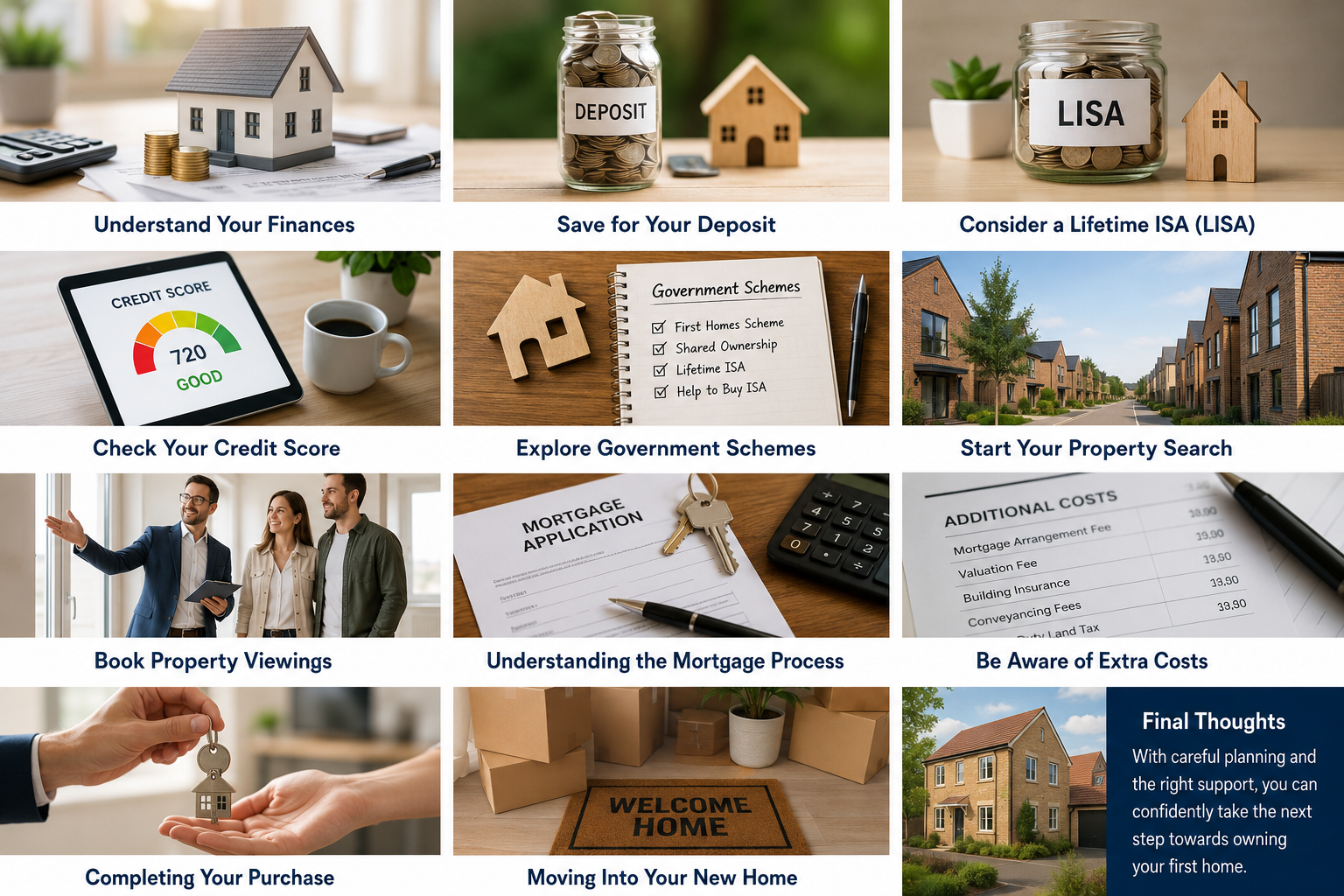
Set a Realistic Budget
Before searching for a property, review your income and spending habits. Track your finances for a few months so you know how much you can comfortably afford.
Remember to include:
- Monthly bills
- Travel costs
- Holidays and seasonal spending
- Emergency expenses
A simple budgeting method is the 50/30/20 rule:
- 50% for essentials
- 30% for lifestyle spending
- 20% for savings
You may want to increase your savings percentage while preparing for a house deposit.
Save for Your Deposit
Most first-time buyers need at least a 5% deposit, but saving 15–20% can help you secure better mortgage rates and lower monthly repayments.
You should also budget for extra buying costs, including:
- Solicitor fees
- Surveys
- Stamp Duty
- Removal and moving costs
These additional expenses can total around 3–5% of the property price.
Consider a Lifetime ISA (LISA)
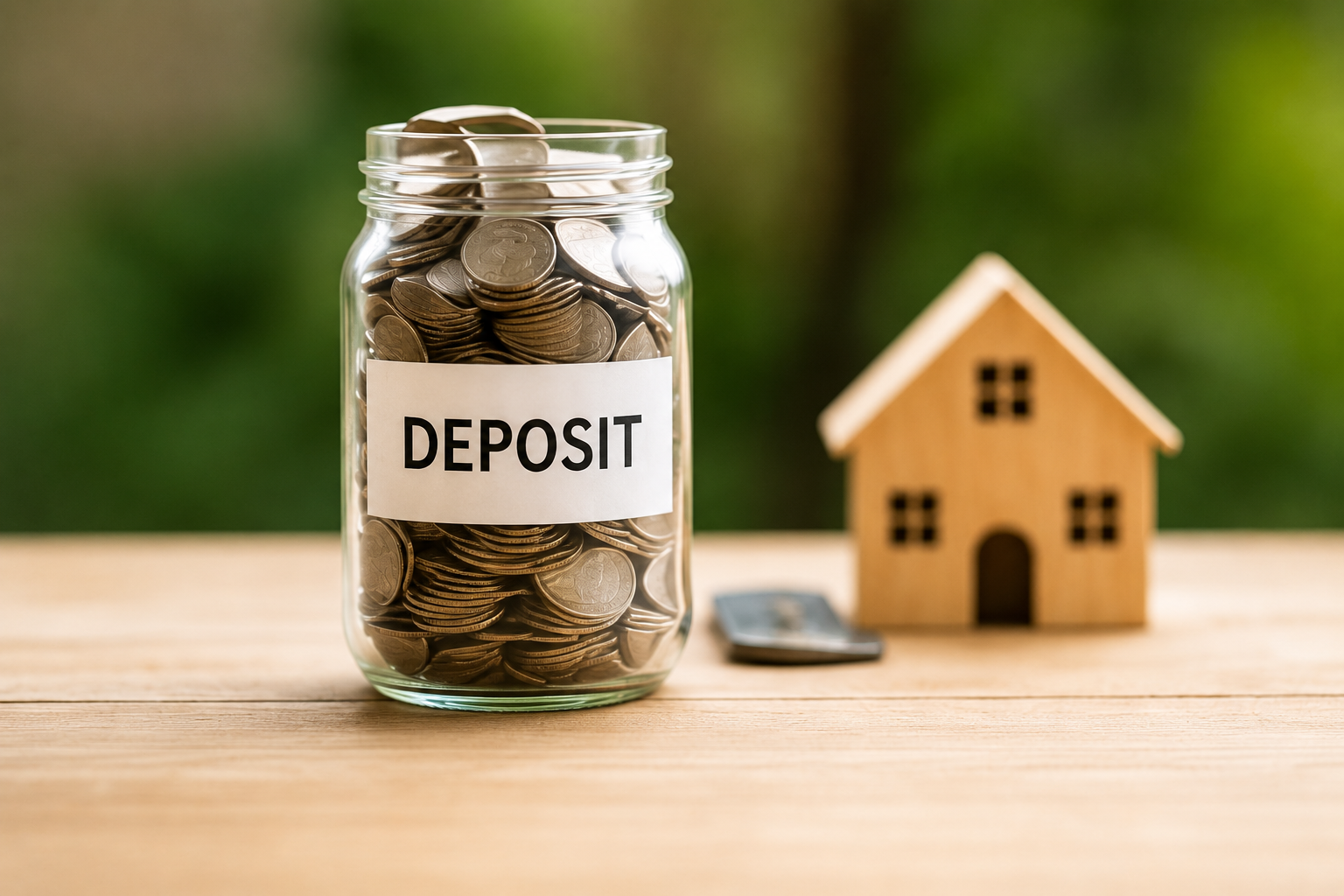
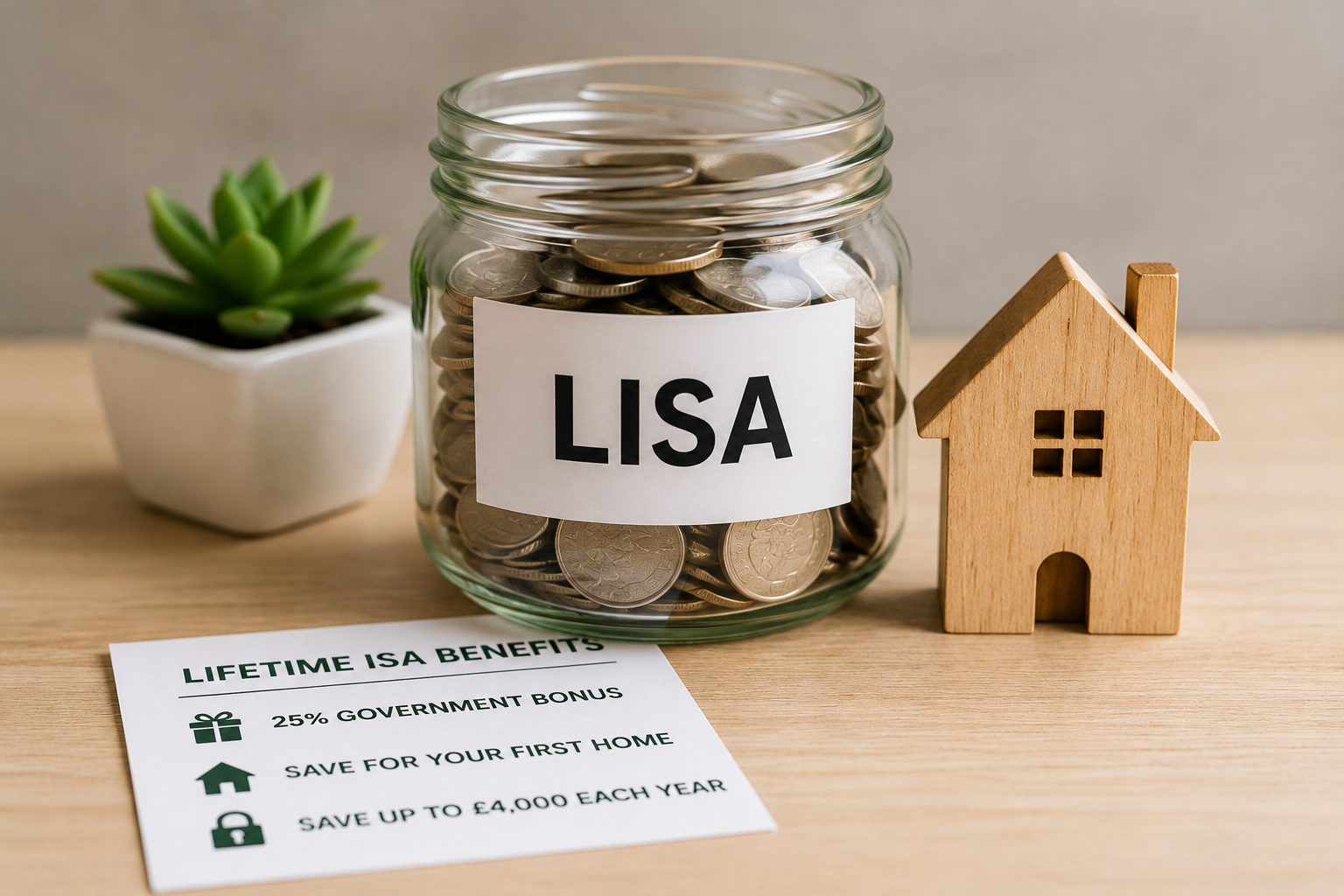
A Lifetime ISA can help boost your savings. The government adds a 25% bonus to your contributions, up to £1,000 each year.
You can use the money towards your first home if:
- The property costs £450,000 or less
- The account has been open for at least 12 months
Compare providers carefully, as interest rates and terms vary.
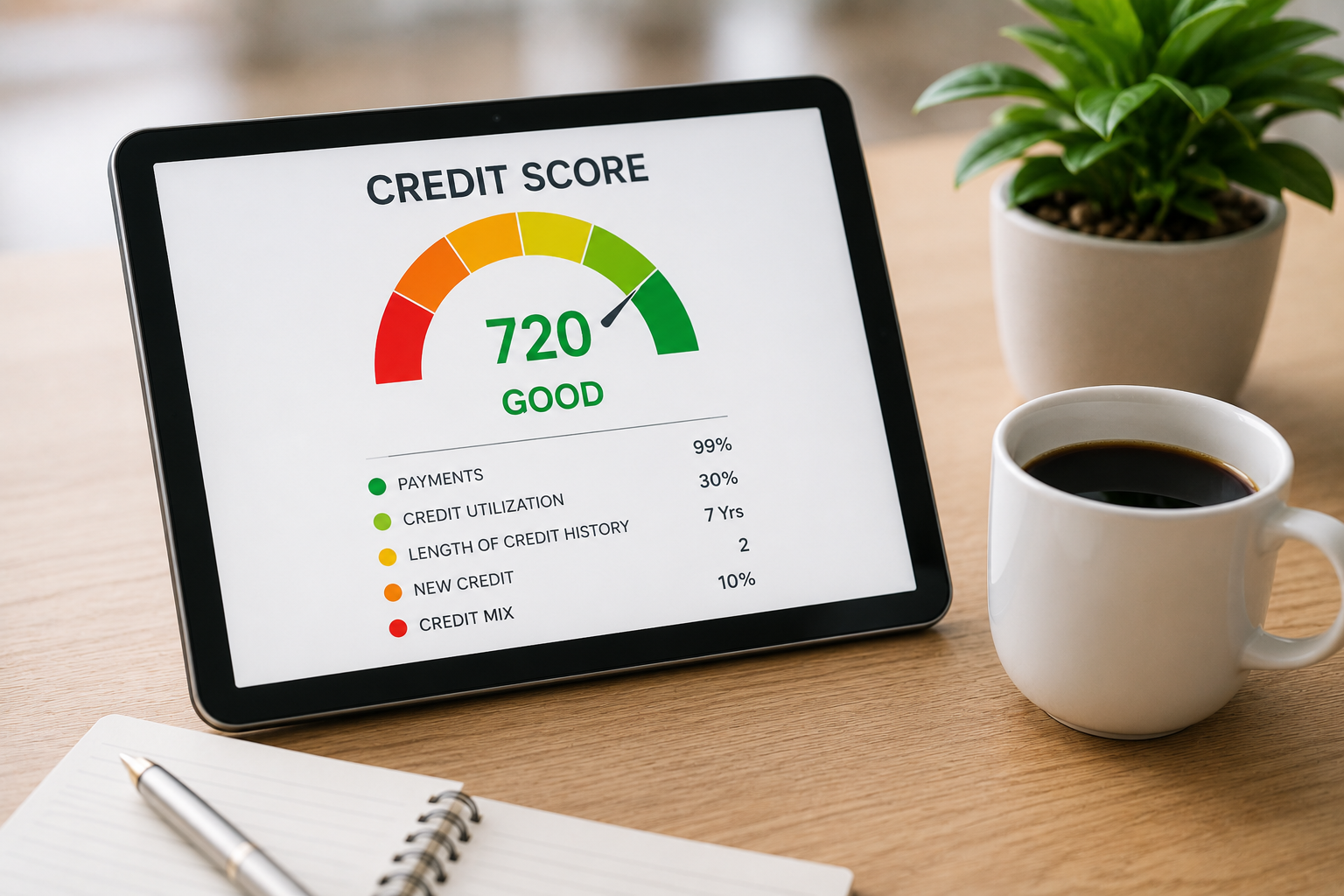
Check Your Credit Score
Your credit score can affect the mortgages available to you and the interest rates you receive.
To improve your score:
- Pay bills on time
- Keep credit card balances low
- Avoid multiple credit applications before applying for a mortgage
- Register on the electoral roll
Explore Government Schemes
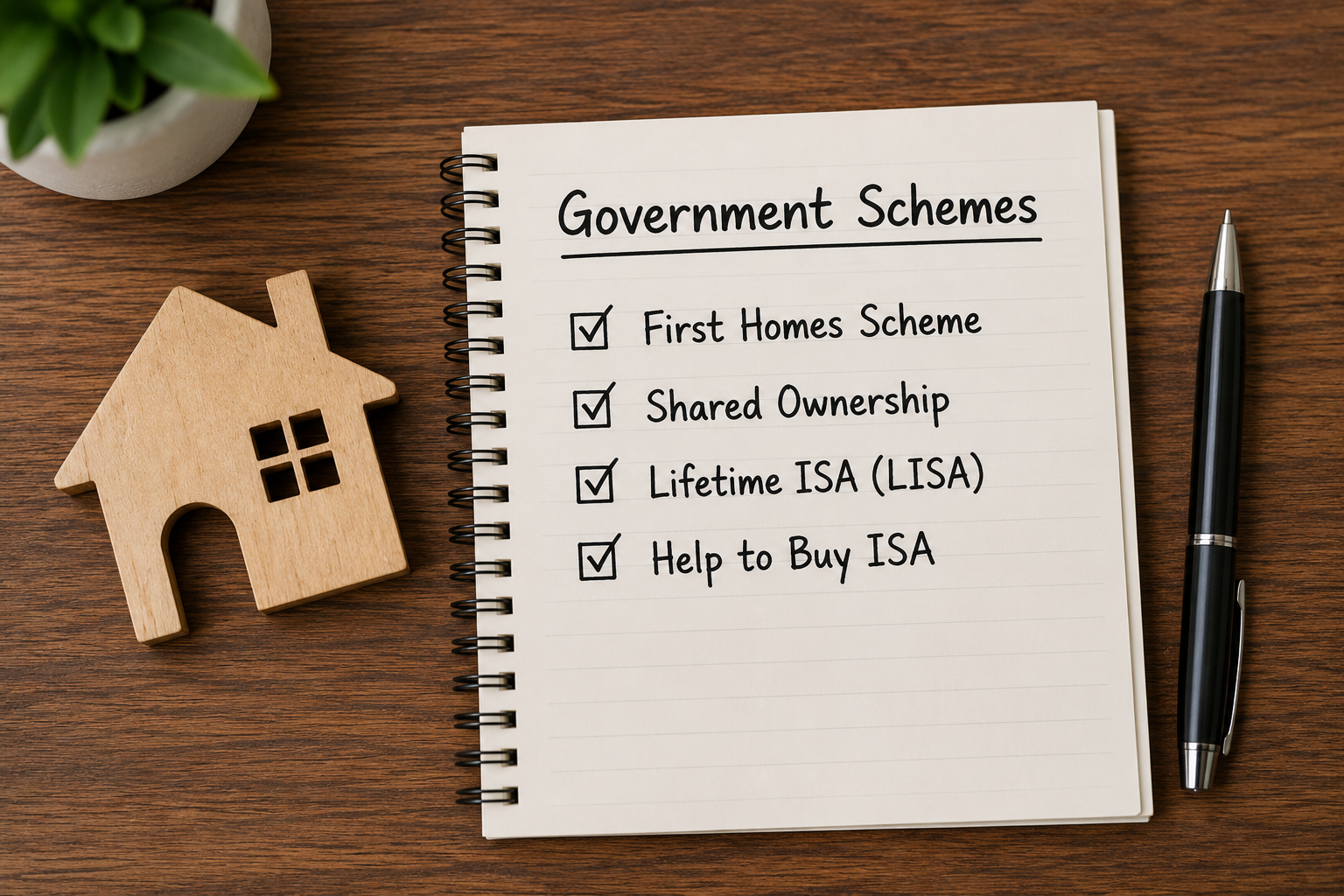
First-time buyers may qualify for support schemes such as:
- First Homes Scheme – Discounts of 30% to 50% on selected new-build homes
- Shared Ownership – Buy a share of a property and pay rent on the rest
- Lifetime ISA (LISA) – Government savings bonus for your deposit
- Help to Buy ISA – Existing account holders can still claim bonuses until 2030
Many developers also offer low-deposit schemes and family support options.
Start Your Property Search
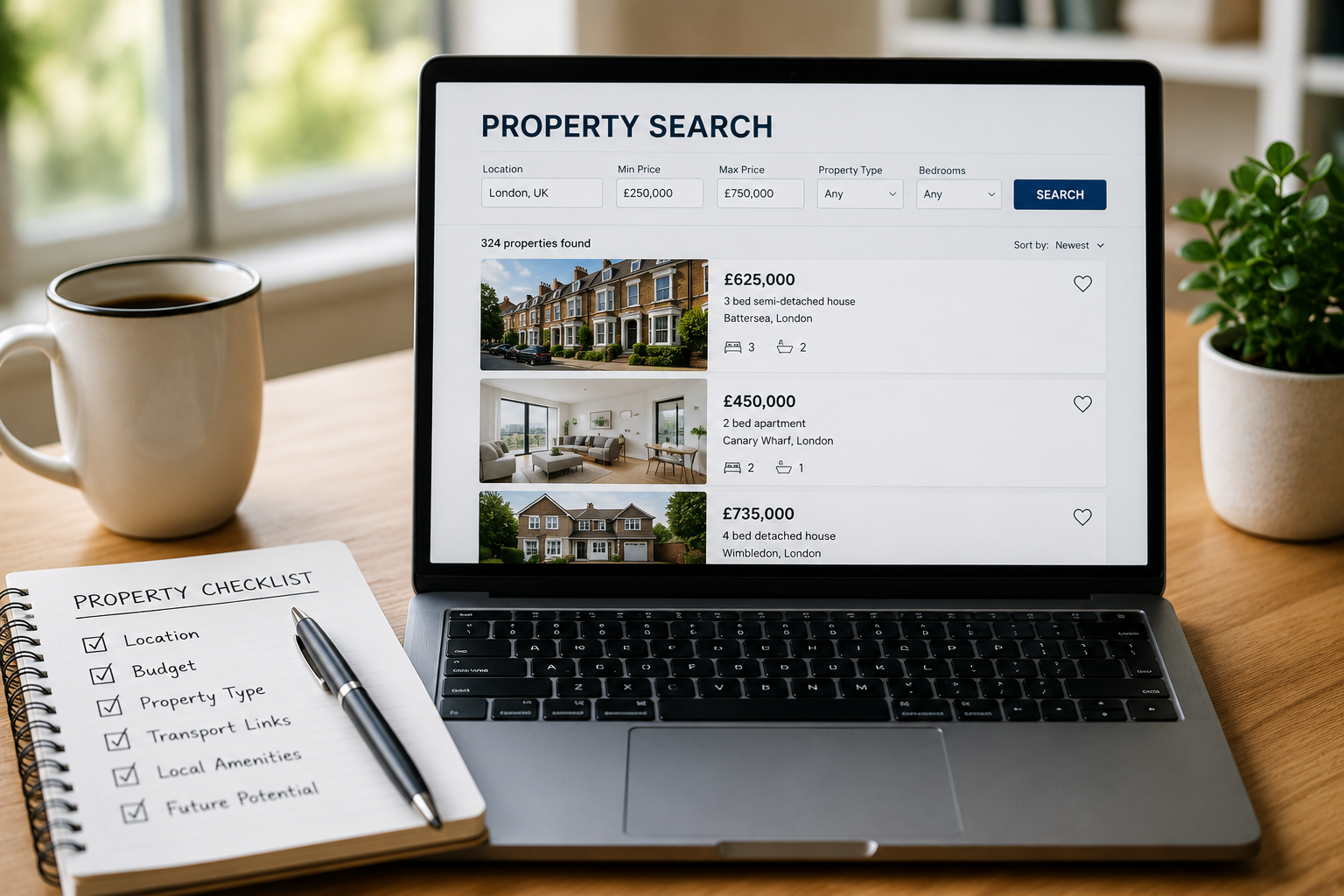
Think about the type of property that suits your needs:
- Flat or house
- New build or older property
- Location and transport links
- Nearby schools, shops and amenities
Use estate agents, property websites and developer listings to compare available homes.
Book Property Viewings
Viewing several homes helps you understand what’s important to you.
During a viewing:
- Ask questions about the property
- Check for damp or structural issues
- Look at energy efficiency features
- Visit at different times of the day
- Explore the local area
Taking photos and notes can help you compare properties later.
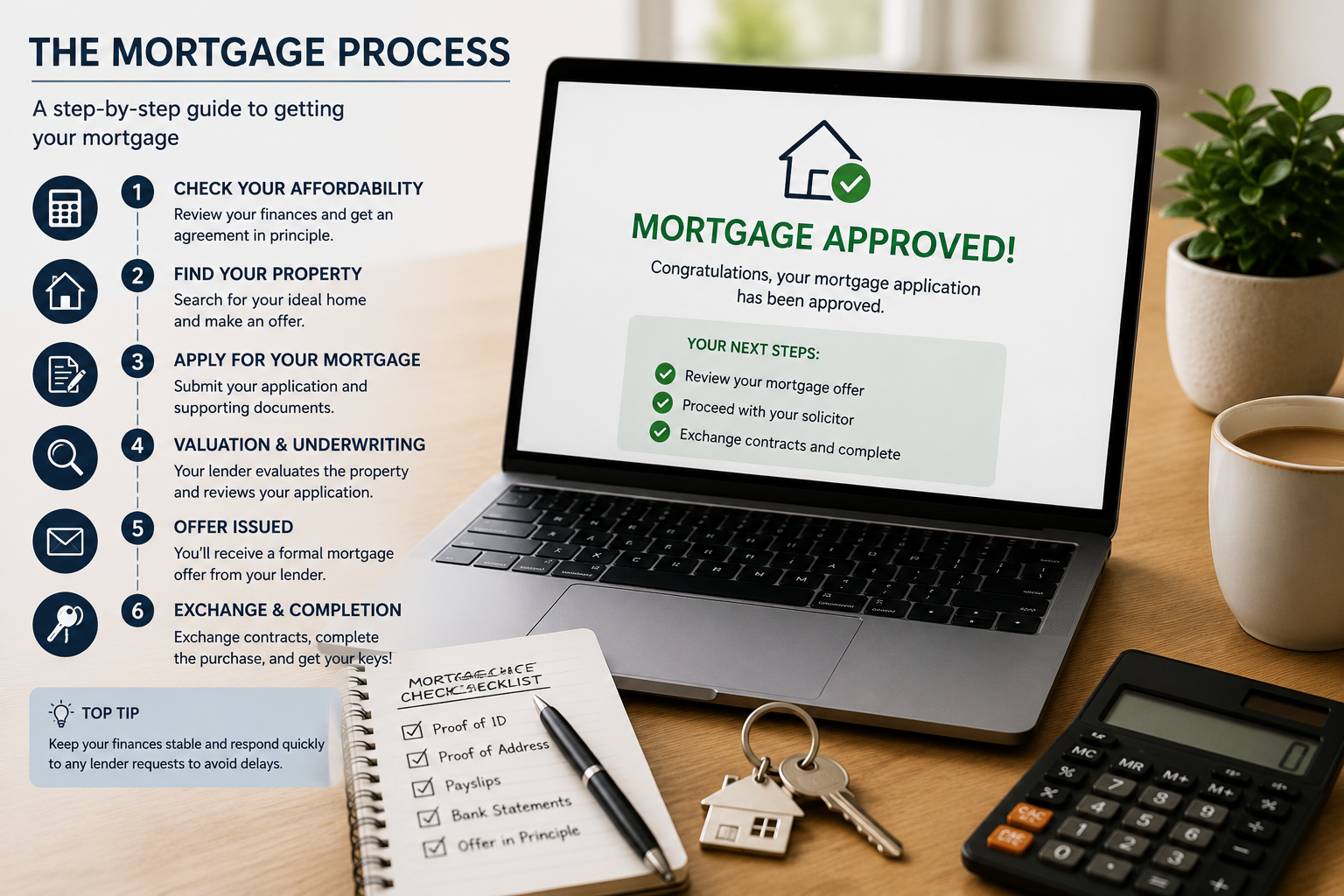
Understanding the Mortgage Process
Choose the Right Mortgage
Compare lenders carefully and look at:
- Interest rates
- Fees
- Mortgage terms
- Customer reviews
You’ll usually choose between:
- Fixed-rate mortgages – Payments stay the same for a set period
- Variable-rate mortgages – Payments can change over time
Be Aware of Extra Costs
When buying a home, additional costs may include:
- Mortgage arrangement fees
- Property valuation fees
- Buildings insurance
- Conveyancing solicitor fees
- Reservation fees for new builds
- Stamp Duty Land Tax
First-time buyers currently pay:
- No Stamp Duty on homes up to £300,000
- 5% on the portion between £300,001 and £500,000
Completing Your Purchase
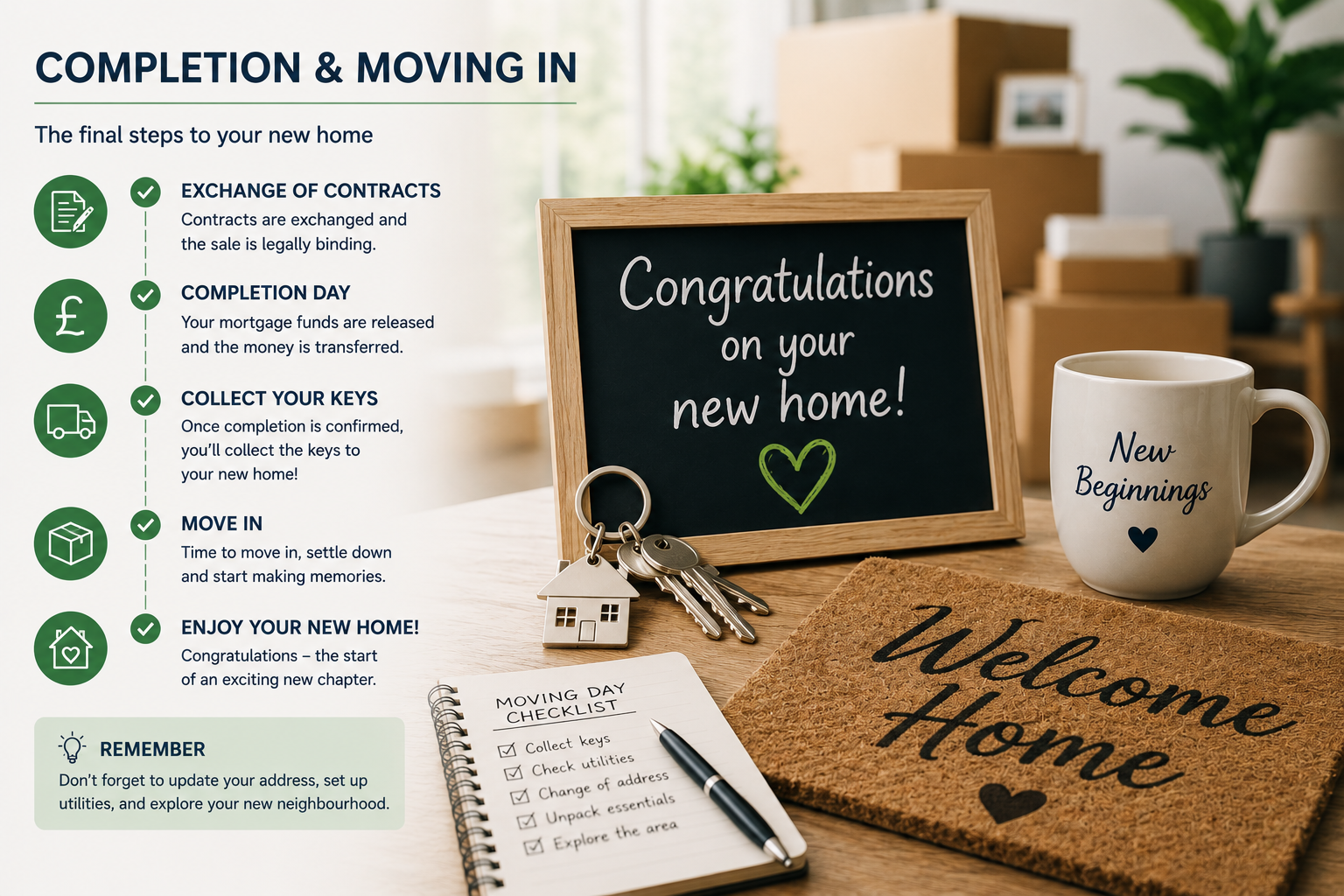
Once legal checks are complete, contracts are exchanged and your deposit is paid. On completion day, the remaining balance is transferred and you receive the keys to your new home.
Moving Into Your New Home
Plan ahead for moving costs such as:
- Removal companies
- Packing supplies
- Utility setup fees
- Internet installation
To settle in quickly:
- Update your address details
- Set up utilities before moving day
- Meet your neighbours
- Locate nearby services like GP surgeries and pharmacies
Final Thoughts
Buying your first home can feel overwhelming, but with careful planning and the right support, the process becomes much more manageable. Understanding your finances, exploring available schemes and preparing for the mortgage process will help you move confidently towards owning your first property.